Whisper and Shout Letter Sounds
Use comfortable voices and NAME/SOUND cues to distinguish letter names from selected English speech sounds. Includes a revised printable with short-vowel examples; shouting and forced whispering are not required.
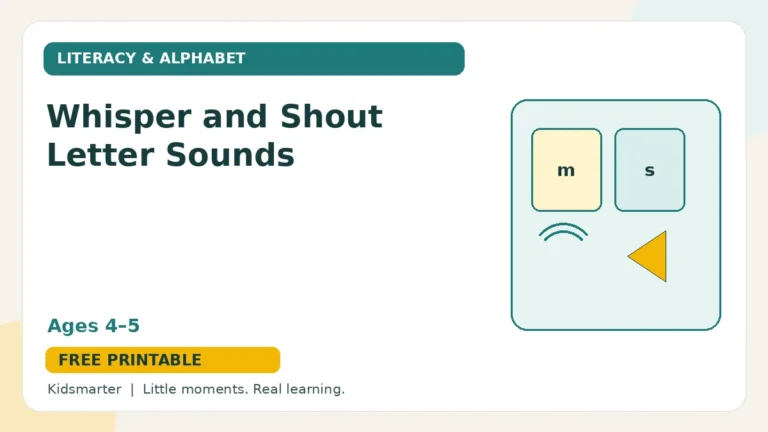
Use comfortable voices and NAME/SOUND cues to distinguish letter names from selected English speech sounds. Includes a revised printable with short-vowel examples; shouting and forced whispering are not required.
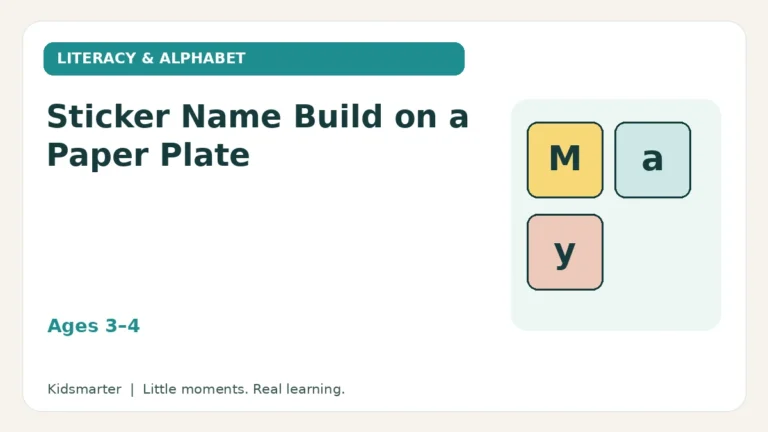
A paper plate can become a cheerful name-building space, but the useful part is the slow matching underneath the stickers.
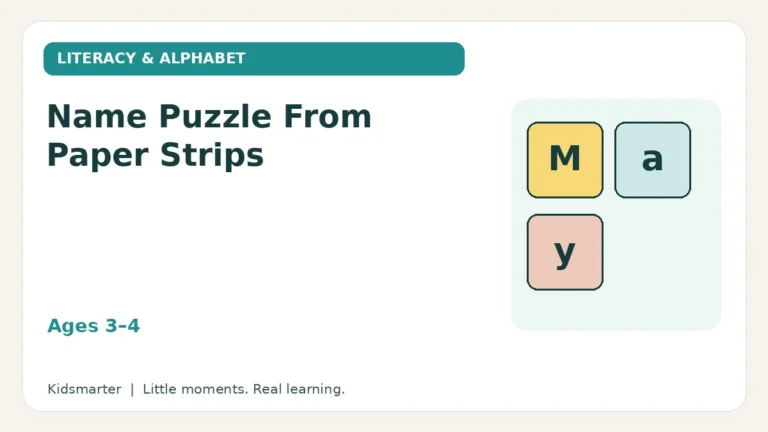
Few words matter to a preschooler as much as their own name.
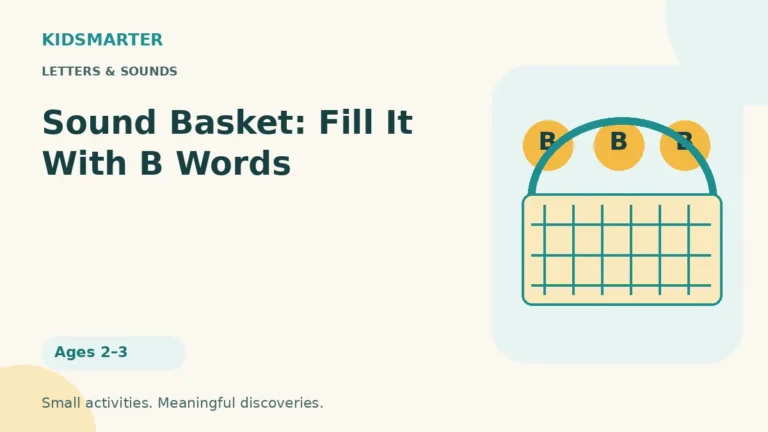
A basket of familiar things makes a friendlier first sound game than a row of flashcards.
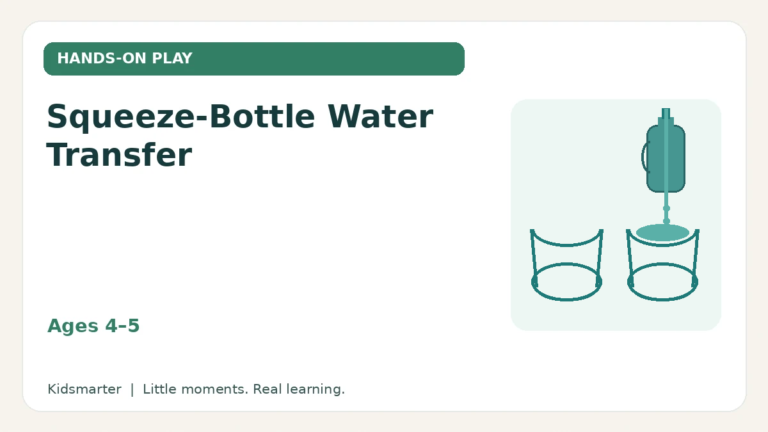
A squeeze bottle turns a little water into a controllable stream aimed at two shallow bowls.
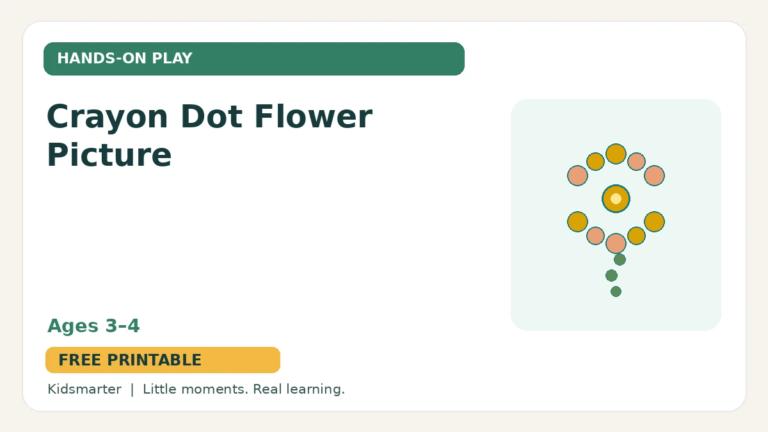
A thick crayon can make a small dot without a narrow cotton swab, paint lid, or loose cotton tip.
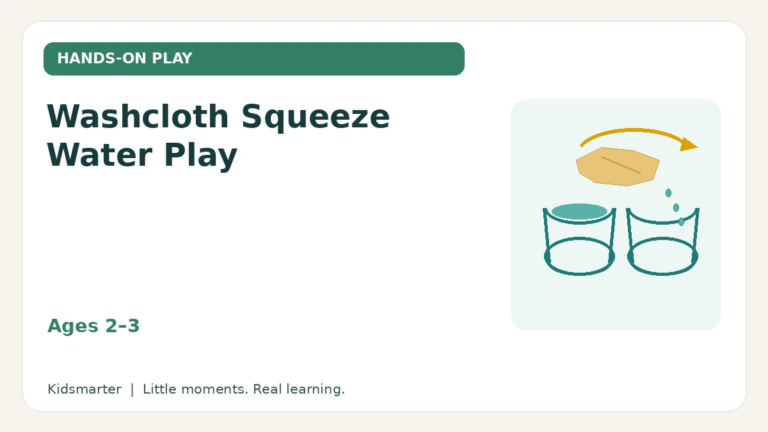
One washcloth can move a surprising amount of water between two bowls.
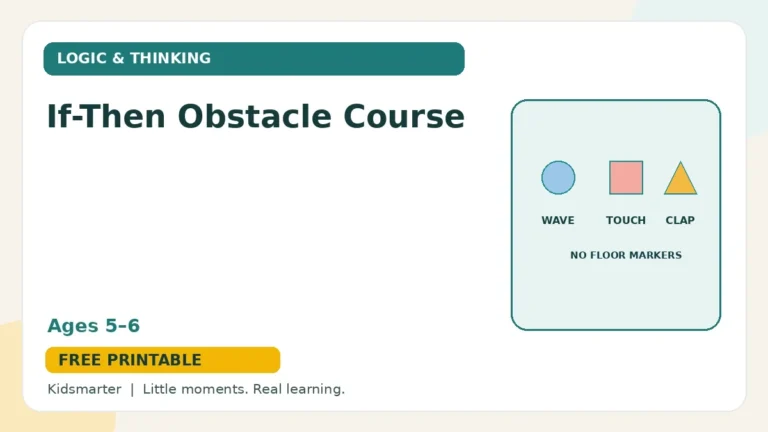
Match a visible cue to its stated action, with seated or clear-route options and no floor markers.
Compare what feels heavier with a checked tabletop balance if one is suitable and available. Keep predictions, observed results, and uncertain outcomes distinct.
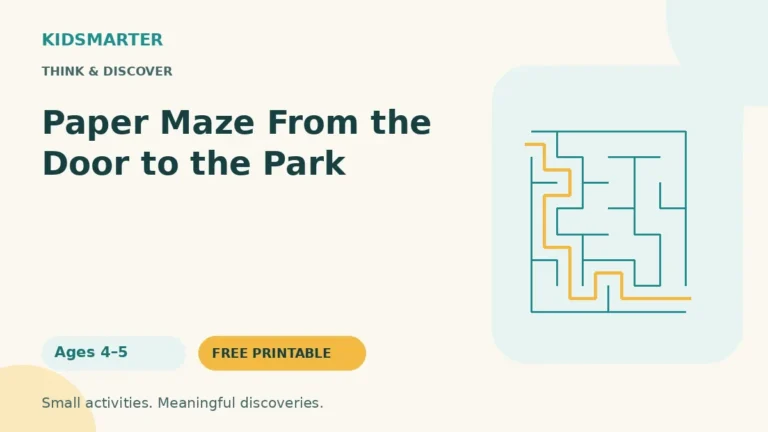
A path from the front door to the park gives a homemade maze a story worth following.