Sound Basket: Fill It With B Words
A basket of familiar things makes a friendlier first sound game than a row of flashcards.
A basket of familiar things makes a friendlier first sound game than a row of flashcards.
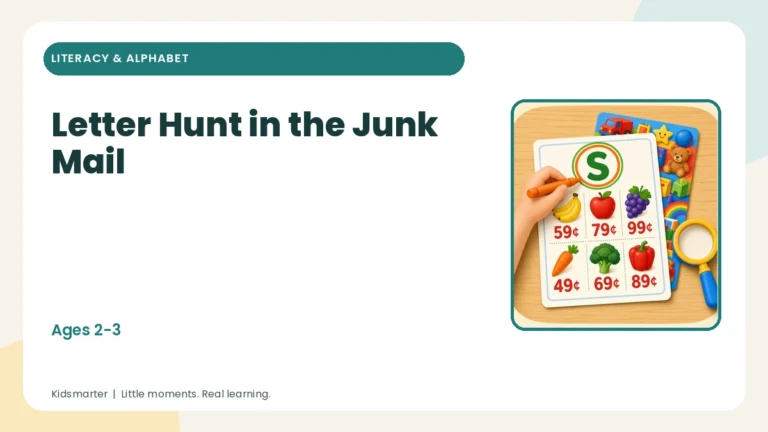
A grocery flyer can become a small adventure before it reaches the recycling bin.
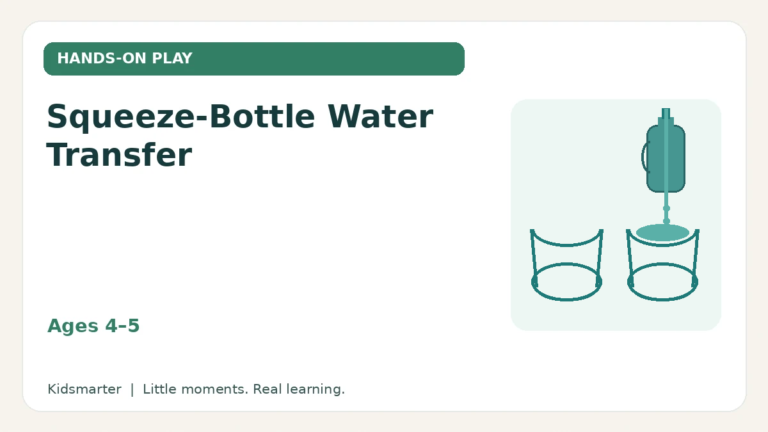
A squeeze bottle turns a little water into a controllable stream aimed at two shallow bowls.
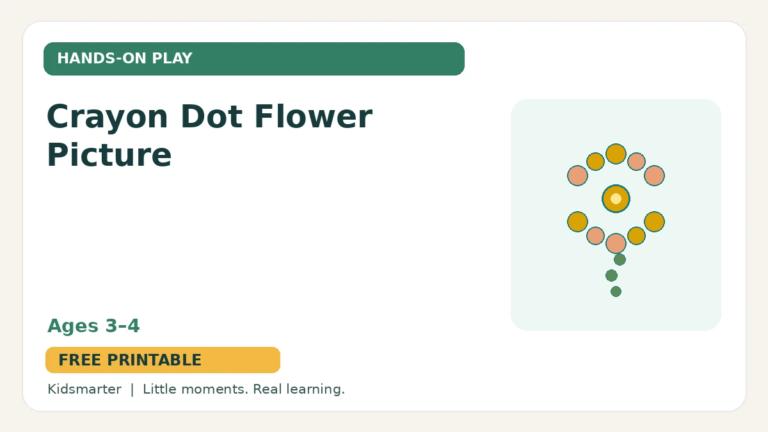
A thick crayon can make a small dot without a narrow cotton swab, paint lid, or loose cotton tip.
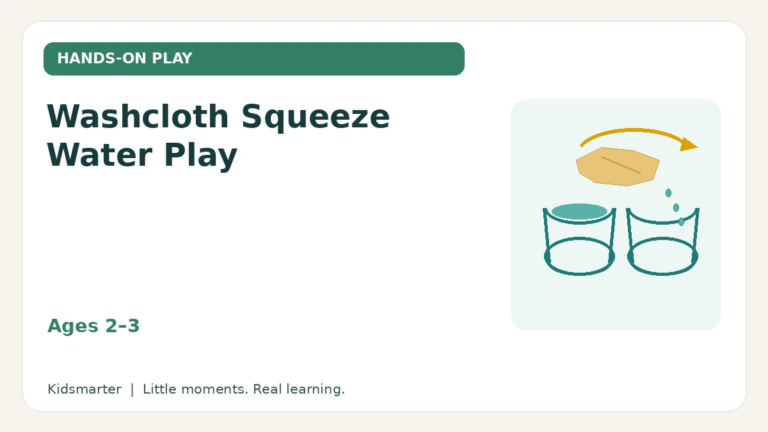
One washcloth can move a surprising amount of water between two bowls.
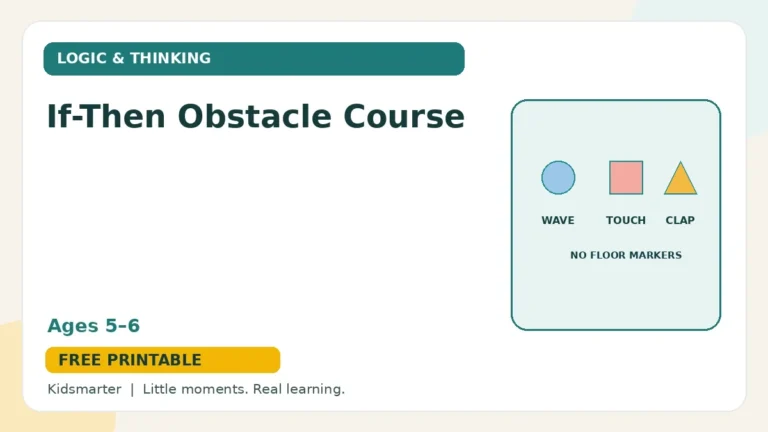
Match a visible cue to its stated action, with seated or clear-route options and no floor markers.
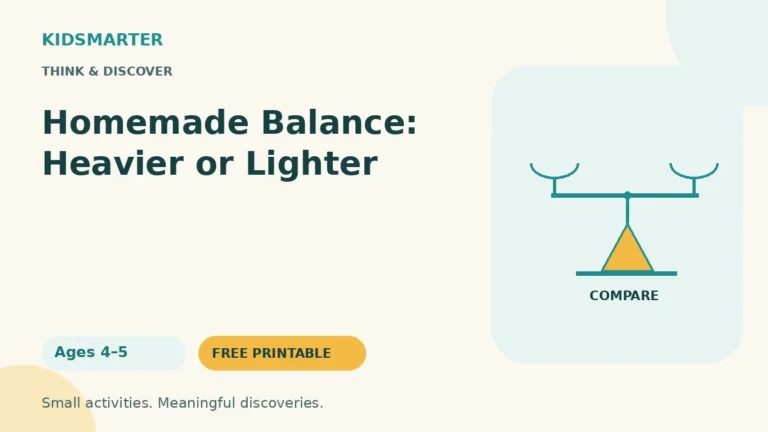
Compare what feels heavier with a checked tabletop balance if one is suitable and available. Keep predictions, observed results, and uncertain outcomes distinct.
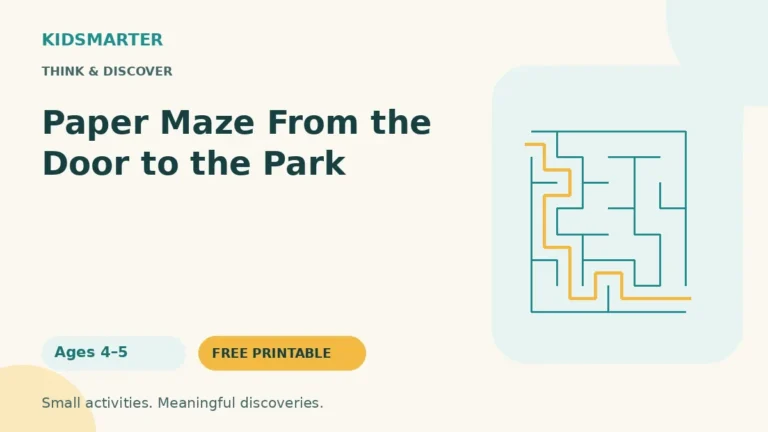
A path from the front door to the park gives a homemade maze a story worth following.
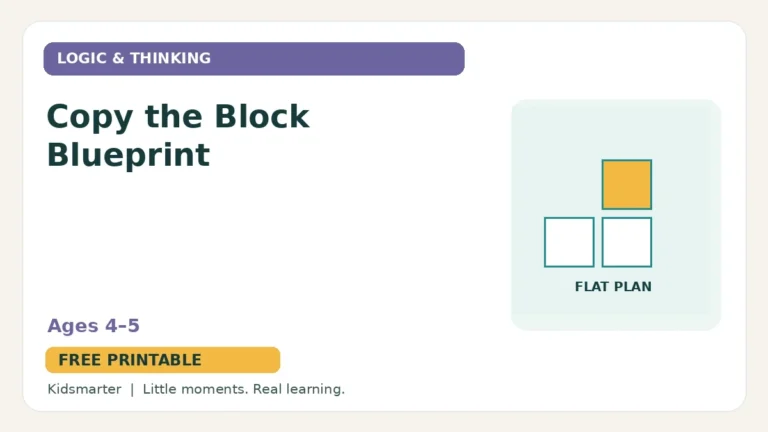
A block blueprint can be a flat picture to copy beside you. These four models show all their square units from above; a square higher on the page is not automatically a block stacked in the air. Begin with Model 1’s three squares, compare which edges are neighbors, and leave the picture available while you build.
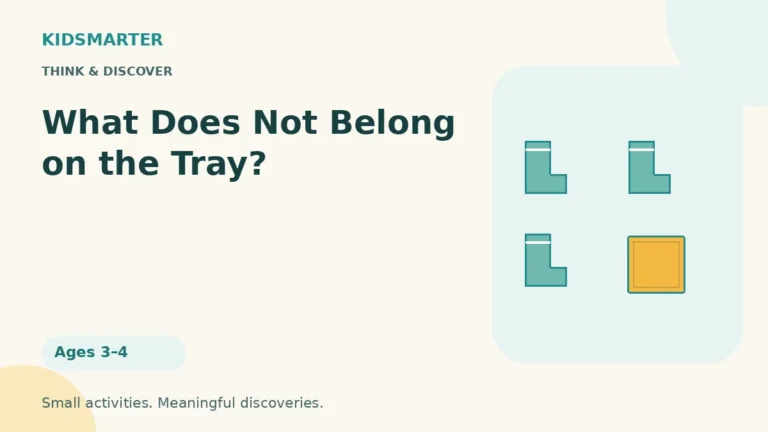
A tray of familiar things can start a surprisingly thoughtful conversation: which item would you move, and why? This version uses three objects that share a clear purpose and one that suggests a different purpose.